

Toenail fungus can be frustrating, especially when it returns after you thought the infection was gone. You may have spent months using medication, caring for your nails, and waiting for improvement, only to notice the same yellow color, thickening, or brittle texture again. The truth is that toenail fungus can return even after successful treatment. Fungi can survive in certain environments, and some everyday habits may increase the risk of another infection. Understanding why toenail fungus keeps coming back can help you take better care of your feet and reduce the chances of dealing with the same problem again.
Table of Contents11 sections
1. The Infection Was Not Completely Treated
One of the main reasons toenail fungus returns is that the original infection was not fully cleared. Toenail fungus, also called onychomycosis, can affect the nail and the skin underneath it. Since toenails grow slowly, treatment often takes several months. Some people stop using their medication when their nails begin to look better. However, visible improvement does not always mean the infection is gone. Stopping treatment earlier than recommended may allow the remaining fungus to continue growing.
What You Can Do: Follow your healthcare provider's treatment instructions carefully. Even when your nails begin to improve, continue the prescribed treatment for the recommended period. Attending follow-up appointments can also help your provider determine whether the infection has cleared or requires additional care.
2. Your Shoes May Still Contain Fungus
Your shoes could be one reason your toenail fungus keeps returning. Fungi grow well in warm, damp environments. Shoes that trap sweat and moisture can create conditions that allow fungi to survive. Even after your toenails have been treated, wearing contaminated footwear may expose your feet to fungus again. This is especially common among people who wear the same shoes every day or spend long hours in closed footwear.
What You Can Do: Allow your shoes to dry completely between uses. Consider rotating between different pairs instead of wearing the same shoes every day. You can also use an antifungal shoe spray or powder as recommended to help reduce fungal growth. Choose breathable footwear whenever possible and replace old shoes that may be difficult to clean properly. Keeping your footwear clean and dry is an important part of preventing another infection.
3. Athlete's Foot Was Never Treated
Many people focus on treating their toenails without realizing that fungus may also be present on the skin of their feet. Athlete's foot is a common fungal skin infection that can cause itching, peeling, redness, and cracking between the toes. The fungi responsible for athlete's foot can also spread to toenails. When the skin infection remains untreated, it may become a source of another nail infection. This means your toenail fungus could return even after the original nail infection has cleared.
What You Can Do: Check your feet regularly for signs of an athlete's foot. If you notice peeling skin, itching, or irritation, speak with a healthcare professional about appropriate treatment. Treating fungal infections on the skin can help lower the risk of fungus spreading back to your toenails.
4. Walking Barefoot in Shared Areas
Public swimming pools, gyms, locker rooms, and shared showers can expose your feet to fungi. These places often have moist floors where fungi can survive, especially in areas used by many people. Walking barefoot increases your chances of coming into contact with these organisms. Even if you have completed treatment, repeated exposure may lead to a new infection.
What You Can Do: Wear shower sandals or slippers when using public showers, locker rooms, and pool areas. Avoid sharing towels, shoes, socks, or nail grooming tools with other people. Wash your feet after visiting shared facilities and dry them carefully, especially between your toes. Small changes in your routine can help protect your feet from unnecessary exposure.
5. Your Toenails Are Growing Slowly
Toenails take much longer to grow than fingernails. A severely affected toenail may take 12 to 18 months to grow out completely, even after successful treatment. During this time, the damaged part of the nail may remain yellow, thick, or uneven. Some people assume the fungus has returned because their toenail still looks unhealthy. However, old nail damage does not always mean an active infection is present. The healthier nail must gradually grow from the base to replace the damaged section.
What You Can Do: Be patient with the healing process and monitor the new nail growing from the base. Avoid picking at damaged nails or cutting them too short. If the discoloration spreads, the nail becomes thicker, or new symptoms appear, schedule an examination. A professional evaluation can help determine whether you are dealing with an active fungal infection or changes left behind by the previous infection.
6. Your Nail Care Tools Are Not Properly Cleaned
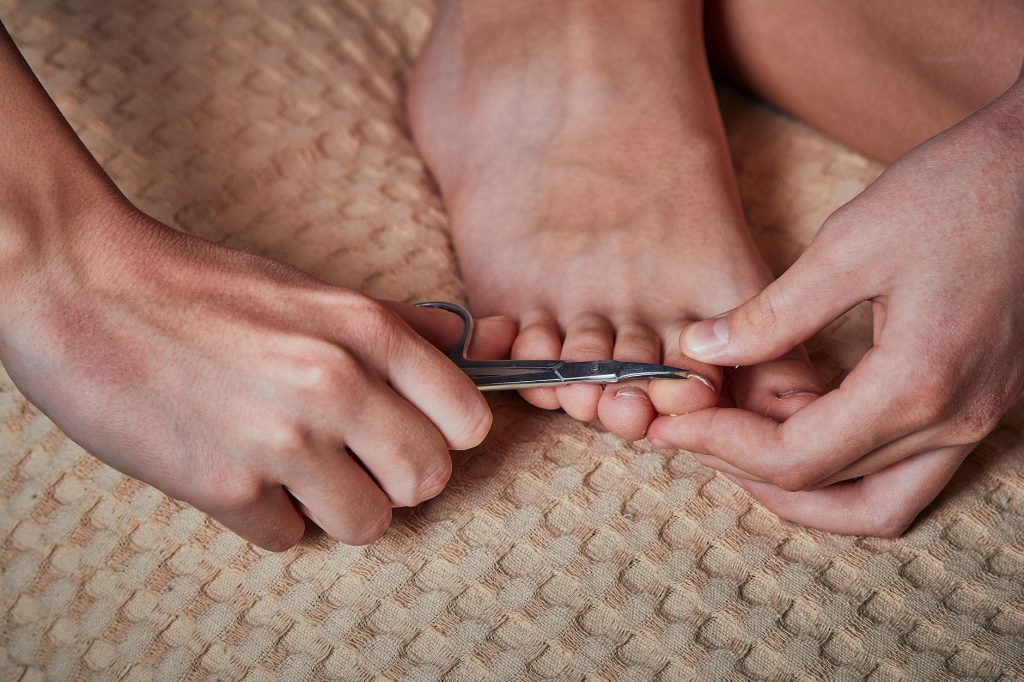
Nail clippers, files, and other grooming tools can spread fungal organisms when they are not properly cleaned. Using contaminated tools on healthy nails may transfer fungus from one nail to another. Sharing nail care equipment with family members can also increase the risk of spreading fungal infections. Poor nail care habits may make it harder to keep your toenails healthy after treatment.
What You Can Do: Clean and disinfect reusable nail grooming tools after each use. Avoid sharing personal nail care equipment. Trim your toenails straight across and keep them at a comfortable length. If you visit a nail salon, make sure the tools are properly sanitized before use. Good nail hygiene helps protect both treated and healthy nails.
7. Certain Health Conditions Increase Your Risk
Some people are more likely to develop recurring toenail fungus because of underlying health conditions. Diabetes, poor circulation, and a weakened immune system can increase the risk of fungal nail infections. Repeated nail injuries, excessive sweating, and tight footwear may also contribute to the problem. When these risk factors remain present, an infection may return despite previous treatment.
What You Can Do: Talk with your healthcare provider about any medical conditions that may affect your foot health. Check your feet regularly for nail changes, skin irritation, or injuries. If you have diabetes, avoid attempting to remove damaged nails yourself. Seeking professional care early is especially important if you experience pain, swelling, redness, or signs of infection.
8. The Original Nail Problem Was Not Fungus
Not every thick, yellow, or damaged toenail is caused by a fungal infection. Nail injuries, psoriasis, and other nail conditions can produce symptoms that look similar to toenail fungus. If the original problem was incorrectly diagnosed, antifungal medication may not improve the nail. This can make it seem like the fungus keeps returning when another condition is responsible.
What You Can Do: Consider a professional nail examination before starting another treatment. A foot specialist may collect a nail sample for testing to confirm whether fungus is present. Getting the correct diagnosis helps avoid unnecessary medication and allows your provider to recommend care that matches the actual problem.
9. You May Need a Different Treatment Approach
Not every fungal nail infection responds to the same treatment. The best option depends on the type of fungus, how many nails are affected, the severity of the infection, and your medical history. Some mild infections may respond to prescription topical medication, while more extensive infections may require oral antifungal treatment. Oral medications can have side effects and may require medical testing or monitoring. When toenail fungus repeatedly returns, your provider may recommend additional testing, a different medication, or a prevention plan.
What You Can Do: If you are searching for a toenail fungus treatment in Orem, consider visiting a qualified foot specialist who can examine your nails and discuss suitable treatment options. A podiatrist can help identify possible causes of recurring nail problems and recommend appropriate care based on your condition. Professional guidance can also help you understand how to maintain healthier nails after treatment.
How to Lower Your Risk of Recurring Toenail Fungus
Preventing another fungal nail infection involves more than completing treatment. Your daily habits also play an important role. Keep your feet clean and dry, change socks regularly, and avoid wearing damp shoes. Choose footwear that allows air to circulate and avoid sharing personal grooming items. Treat the athlete's foot promptly and check your toenails for early changes. Your healthcare provider may also recommend preventive antifungal care if you have experienced repeated infections. Although these steps cannot guarantee that toenail fungus will never return, they can help reduce your risk.
Conclusion
Toenail fungus can return for several reasons, including incomplete treatment, contaminated footwear, untreated skin infections, and repeated exposure to fungi. The good news is that understanding these causes can help you make better decisions about your foot health. If your toenail fungus keeps returning, do not assume that repeating the same treatment will solve the problem. A proper diagnosis, suitable treatment, and consistent preventive care can make a meaningful difference. Taking care of your feet today can help you maintain healthier toenails and reduce the chances of another frustrating infection.