

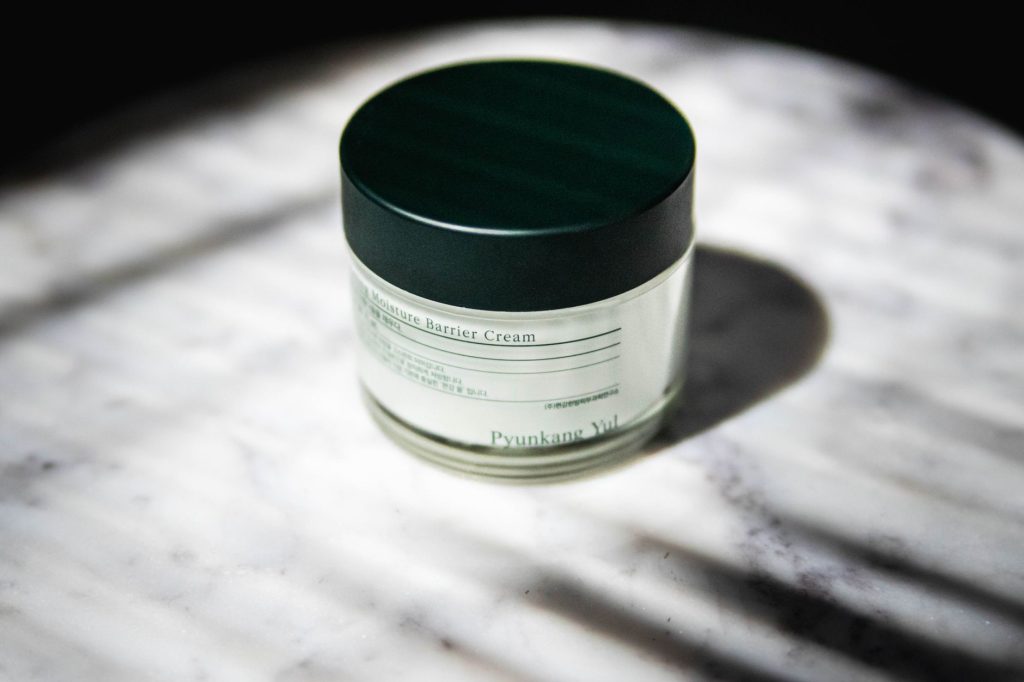
The cutaneous barrier acts as a biological shield protecting internal tissues from environmental toxins, infectious microorganisms, and continuous water loss. Located within the stratum corneum, this outermost defensive wall consists of dense protein-rich cells surrounded by an organized matrix of ceramides, cholesterol, and essential fatty acids. When this protective envelope suffers physical disruption or chemical irritation, external elements penetrate readily while moisture evaporates unchecked. Restoring structural balance demands an understanding of underlying triggers, quick recognition of clinical symptoms, and a steady regimen of soothing, non-comedogenic hydration.
Understanding the Structural Role of the Stratum Corneum
A healthy skin barrier relies entirely on structural symmetry between corneocytes and intercellular lipids. When functioning properly, this biological architecture retains crucial internal hydration while deflecting airborne irritants, allergens, and microbial pathogens.
The Lipid Matrix Composition
Intercellular lipids form a waterproof mortar holding surface cells firmly in place. This matrix comprises approximately fifty percent ceramides, twenty-five percent cholesterol, and fifteen percent free fatty acids. Any imbalance in these exact lipid proportions weakens cell cohesion, creating microscopic channels that accelerate trans-epidermal water loss. When moisture escapes unchecked, surface layers shrivel, lose suppleness, and show visible fissures.
Acid Mantle Preservation
Covering the surface stratum corneum rests an acidic film derived from sebum, sweat, and breakdown products of cell keratinization. This protective mantle maintains an optimal physiological pH between 4.5 and 5.5. An intact acidic pH suppresses the proliferation of pathogenic organisms like Staphylococcus aureus while sustaining normal enzymatic reactions essential for desquamation. Disrupting this acidic equilibrium encourages bacterial colonization and impairs natural lipid synthesis.
Primary Causes Behind Protective Barrier Degradation
Modern skincare routines often induce self-inflicted barrier damage through overly enthusiastic interventions. Recognizing environmental and topical offenders represents the first step toward sustained healing.
Over-Exfoliation and Harsh Formulations
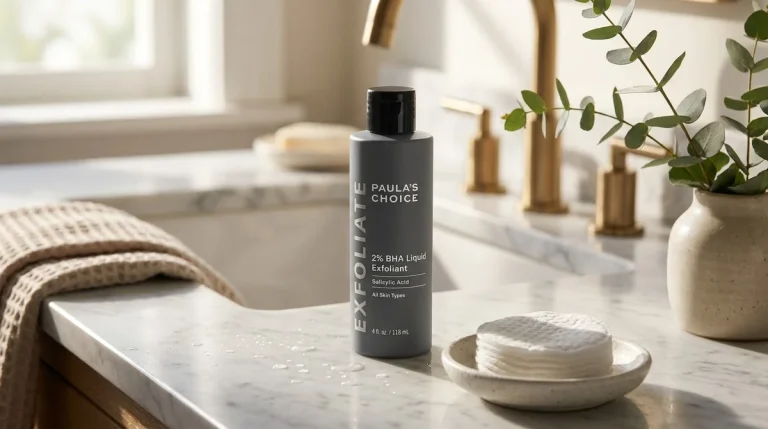
Excessive use of coarse physical scrubs, high-concentration alpha hydroxy acids, and alkaline surfactants strips protective surface oils instantly. Washing faces with standard bar soaps elevates surface pH for hours, neutralizing natural acid mantles. Similarly, layering multiple chemical exfoliants like glycolic acid and salicylic acid without adequate resting intervals removes developing cells before they fully mature, leaving underlying tissue raw and vulnerable.
Climatic Influences and Dry Indoor Air
Severe weather fluctuations exert extreme osmotic strain across cutaneous tissue. Cold mountain climates, desert winds, and high-altitude settings combine low humidity with intense solar exposure. Concurrently, artificial indoor heating units drain ambient moisture from indoor spaces during colder months. The continuous draw of moisture into dry ambient air accelerates dehydration, producing cracked, tight tissue susceptible to micro-tears.
Aggressive Topical Medications
Potent therapeutic topicals, including prescription retinoids and oxidizing antimicrobials, initially trigger significant surface peeling and irritation. Without protective barrier buffering, these active agents cause localized erythema, burning sensations, and rough patches. Individuals struggling with persistent breakouts often compound this stress by layering multiple drying agents simultaneously. Partnering with a certified acne specialist in Salt Lake City enables patients to navigate potent topical regimens safely while preserving natural moisture integrity.
Warning Signs of a Compromised Cutaneous Boundary
Identifying barrier distress before severe inflammatory cascades take hold prevents prolonged discomfort and secondary microbial infections.
Sensory Reactivity and Persistent Burning
The hallmark warning sign of impaired stratum corneum function is an acute burning sensation upon the application of basic, bland products. Gentle cleansers or simple moisturizers that previously provoked no sensation suddenly cause intense stinging. This stinging occurs because microscopic fissures allow ingredients to bypass outer dead cells, directly contacting sensitized nerve endings in the living epidermis below.
Visual Symptoms: Flaking, Redness, and Paradoxical Oiliness
Compromised tissue typically displays diffuse blotchiness, rough flaky texture, and a tight, shiny surface appearance lacking elasticity. Interestingly, many individuals experience paradoxical oiliness. In an urgent attempt to seal compromised tissue, sebaceous glands ramp up sebum excretion, coating parched, flaky skin in superficial oil that frequently clogs congested pores.
Practical Steps to Restore and Seal the Skin Barrier
Rehabilitation requires eliminating unnecessary irritating agents and supplying the stratum corneum with foundational barrier-building blocks.
The Minimalist Cleanse-and-Rest Protocol
Suspend all active topicals immediately, including prescription retinoids, chemical peels, scrubs, and concentrated vitamin serums. Cleanse the face once daily in the evening using lukewarm water and a fragrance-free, non-foaming surfactant emulsion. In the morning, skip cleansing agents altogether and simply rinse with cool water to avoid washing away the restorative lipids produced overnight.
Replenishing Essential Physiological Lipids
Select restorative moisturizers formulated with biomimetic lipid ratios featuring physiological ceramides, phytosterols, and free fatty acids. Ingredients such as colloidal oatmeal, panthenol, and madecassoside work quickly to suppress pro-inflammatory cytokines while calming acute redness. Seal these emulsions with a thin layer of squalane or petrolatum-based ointment to block water evaporation while native lipids knit the stratum corneum back together.


1 thought on “How to Repair a Damaged Skin Barrier: Signs, Causes, and Fast Fixes”