

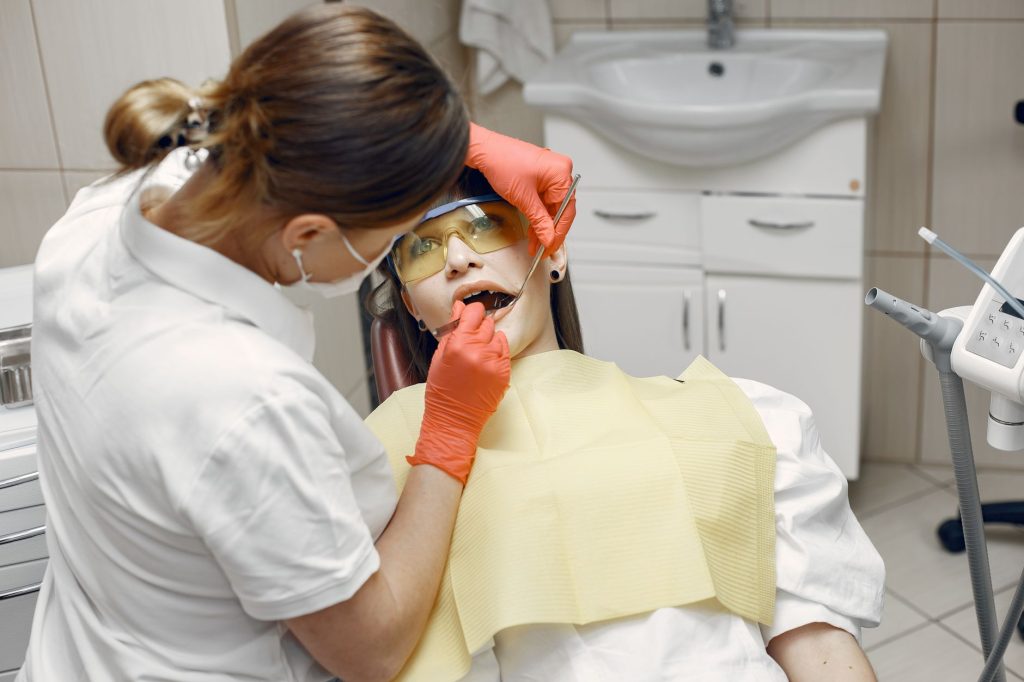
Dental fear remains a common hurdle that prevents countless individuals from receiving routine, preventive, or restorative oral treatments. This apprehension often develops in childhood after an uncomfortable appointment or stems from feeling vulnerable while seated in a treatment chair. For many individuals, sensory input triggers immediate stress. The high-pitched whine of clinical instruments, the strong smell of cleaning agents, or the pressure inside the mouth can trigger an acute stress response.
Avoiding dental visits due to fear often starts a cycle of declining oral health. Small, easily treatable issues like early enamel demineralization or minor plaque buildup can slowly advance into deep decay, painful abscesses, or structural tooth loss. As conditions deteriorate, the perceived difficulty of future appointments grows, creating even higher barriers to care. Modern clinical practices actively work to break this cycle by introducing comprehensive comfort strategies that neutralize fear before treatment begins.
How Modern Pharmacological Relief Transforms Care
Clinical sedation bridges the gap between patient anxiety and essential treatment. Rather than forcing an individual to endure intense stress, dental teams use carefully calibrated medications to bring about calm, relax tense muscles, and diminish active stress responses. This field does not simply knock patients out; it offers a versatile spectrum of care tailored to an individual’s medical background, appointment duration, and emotional comfort level.
Patients seeking calm, unhurried care often discover that exploring sedation dentistry in Oregon City allows them to address years of postponed dental treatments in a peaceful environment. These specialized protocols alter sensory perception, soften acoustic and tactile triggers, and significantly diminish the passage of time from the patient's perspective.
Inhalation Relief via Nitrous Oxide
Nitrous oxide, frequently referred to as laughing gas, remains one of the safest and most flexible options in outpatient dentistry. Delivered through a comfortable nasal mask mixed with pure oxygen, this odorless gas begins acting within minutes. Patients remain awake, responsive, and capable of answering questions, yet they experience a soothing sense of warmth and physical lightness.
A primary benefit of inhalation sedation is its fast recovery time. Once the dental procedure ends, the clinician stops the nitrous oxide and administers pure oxygen for several minutes, clearing the sedative from the lungs completely. Most individuals recover their complete focus almost immediately, allowing them to drive home independently and resume normal daily activities without lingering drowsiness.
Oral Conscious Sedation Options
For moderate to severe treatment distress, oral conscious medications provide a deeper state of relaxation. Prescribed as a pill or liquid taken prior to the scheduled appointment, these pharmaceutical agents belong to well-studied medication classes that calm the central nervous system.
Under oral sedation, patients remain conscious and maintain their natural protective reflexes, yet they enter a dreamlike state. Complex procedures that require an hour or more may feel like they take only a brief moment. An additional advantage is anterograde amnesia, meaning patients typically remember very little of the sights or sounds of their dental treatment afterward. Because this medication stays in the bloodstream for several hours, patients must arrange for a trusted companion to drive them to and from the appointment.
Deeper Sedation and General Anesthesia
When extensive surgical procedures are required, or when individuals experience acute phobias that prevent safe treatment in a standard chair, deep intravenous sedation or general anesthesia offers comprehensive relief. Administered alongside certified anesthesiology professionals, these advanced methods allow individuals to sleep deeply while their oral health needs are corrected.
Throughout these appointments, medical monitoring devices track heart rate, oxygen saturation, blood pressure, and respiratory rhythms continuously. This rigorous clinical oversight guarantees maximum patient safety while allowing the operating dentist to focus entirely on precise restorative work.
Safety Protocols and Treatment Planning
Safety serves as the foundational pillar for any modern sedative technique. Prior to scheduling a sedated visit, practitioners complete an exhaustive diagnostic evaluation. Clinicians analyze overall medical records, list ongoing prescription therapies, screen for potential airway obstructions, and evaluate blood pressure baselines.
During care, trained dental staff maintain close visual and electronic contact with the patient. Vital metrics stay clearly visible on digital monitors, and dedicated personnel observe physical responses from start to finish. Clear post-operative instructions ensure recovery continues comfortably at home, supported by adequate hydration, soft food choices, and restful surroundings.
Long-Term Benefits of Stress-Free Dental Visits
Eliminating panic from dental appointments produces lasting physical and mental benefits. By removing anxiety, patients feel empowered to attend regular visits rather than delaying care until emergencies develop. This steady, proactive care preserves natural tooth structure, keeps gum tissue firm and disease-free, and protects systemic health across a lifetime.
Overcoming fear also changes a person's relationship with healthcare environments. Completing necessary dental appointments with comfort rebuilds personal confidence, banishing lingering childhood anxieties and fostering positive oral health habits for years ahead.




1 thought on “Sedation Dentistry Explained: Safe Solutions for High-Anxiety Patients”