

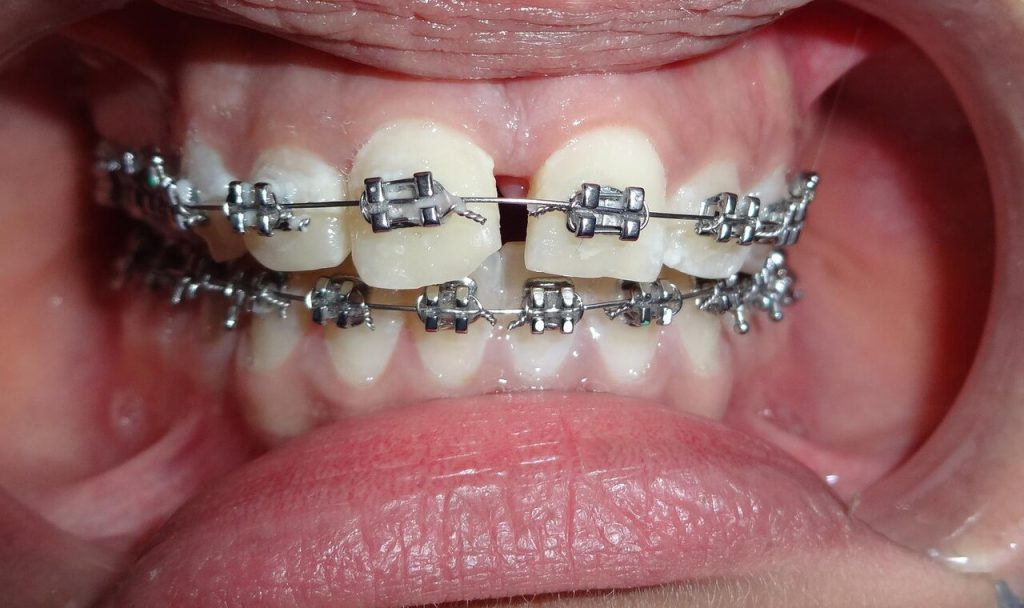
A generation ago, orthodontic treatment meant metal brackets, rubber bands and a very awkward school photo. Today, you can scan your teeth in minutes, preview your result on a screen and wear aligners that most colleagues won’t notice. Dental health in the digital age is changing the way Australians straighten their smiles, and it’s worth understanding what’s genuinely better and where to be careful.
Table of Contents8 sections
Why straight teeth matter beyond looks
Orthodontic treatment isn’t only about appearance. Crowded or misaligned teeth can be harder to clean, which may increase the risk of decay and gum problems. Bite issues can contribute to uneven wear and, for some people, jaw discomfort. Of course, confidence matters too, and many adults seek treatment because they’re ready to stop hiding their smile in photos or on video calls.
Treatment isn’t just for teenagers anymore. Australian practices see a growing number of adult patients, often professionals who want something discreet.
The tools that changed the game
Several digital technologies now sit behind modern treatment:
- Intraoral scanners: A handheld wand creates a 3D model of your teeth, replacing the traditional putty impressions many people dreaded.
- 3D treatment planning: Software maps how teeth are expected to move, step by step, so you can often see a projected outcome before you start.
- Clear aligners: Custom-made, removable trays move teeth gradually, and suit many mild to moderate cases.
- Digital X-rays and 3D imaging: These help assess root positions, jaw structure and unerupted teeth.
- Remote monitoring: Some practices let patients send progress photos through an app, which can reduce the number of in-person visits for suitable cases.
- 3D printing: Models, retainers and aligners can be produced more quickly and precisely than before.
It’s worth remembering that software proposes and a trained clinician decides. Teeth move through living bones, and each mouth responds differently.
Braces or aligners?
Neither is better for everybody. Traditional braces, including metal and ceramic versions, remain very effective, especially for complex bite problems. Clear aligners offer discretion and flexibility, but they only work if you wear them for the recommended hours each day, usually around 20 to 22. If you’re someone who forgets, braces may suit you better.
Your practitioner should explain both options, the likely treatment time, which commonly runs from several months to a couple of years, and what retainers will be needed afterwards. Retainers matter more than people expect, because teeth have a tendency to drift back.
A word of caution about DIY
Here’s where digital convenience needs a reality check. Mail-order aligner kits and heavily marketed at-home options have appeared, and Australian dental bodies have raised concerns about treatment without proper in-person assessment. Moving teeth without checking gum health, bone levels and the bite can lead to problems, some of them permanent.
A sensible rule: make sure a registered dental practitioner examines you, takes appropriate X-rays and supervises your treatment. In Australia, orthodontists are specialists registered with the Dental Board of Australia, and many general dentists also provide aligner treatment. You can check registration on the AHPRA public register, and it’s perfectly fine to ask about their experience.
Looking after your teeth during treatment
Braces and aligners add new cleaning challenges, so habits matter:
- Brush twice daily with fluoride toothpaste, and after meals if you can.
- Clean between teeth daily, using interdental brushes or floss threaders around braces.
- Remove aligners before eating or drinking anything but water.
- Limit sugary and acidic drinks, which sit against teeth more readily during treatment.
- Keep up your regular check-ups and hygiene visits.
The digital world can help here. Reminder apps, electric toothbrushes with timers and pressure sensors, and online booking all make routines easier to keep. They’re helpful tools, though they don’t replace the basics.
Screen time, stress and your smile
Dental health in the digital age has some less obvious side effects too. Long hours at screens can bring tension, clenching and grinding, which may affect your teeth and jaw. Late-night snacking while scrolling, and sipping sweet drinks at the desk, can also quietly raise decay risk. Setting small boundaries, like water at your desk and a proper wind-down routine, helps.
Cost, funding and getting started
Orthodontic treatment is a significant investment, and costs vary widely by case and provider. Private health extras may contribute, depending on your policy limits, and many practices offer payment plans. Medicare doesn’t generally cover routine orthodontics, though some public schemes exist for specific, eligible cases, so ask your practitioner what applies to you.
Your first consultation should include a clear explanation of the diagnosis, options, timeframe and itemised costs.
The bottom line
Digital tools have made orthodontic treatment more comfortable, predictable and discreet than ever. Used well, they give you clarity and convenience. Used carelessly, they can encourage shortcuts. Choose a practitioner you trust, ask plenty of questions and keep up your home care, and you’ll be well placed to enjoy a healthier, straighter smile.