
It happens in an instant: an unpopped popcorn kernel, an unexpected slip, or an aged silver filling that finally gives way during dinner. That sinking sensation of a jagged tooth edge against your tongue is immediately accompanied by dread. Traditionally, fixing a broken tooth meant weeks of hassle—choking on trays of gooey impression putty, nursing a fragile plastic temporary, and taking another afternoon off work for final placement.
Digital dental milling has transformed that outdated routine. Using chairside CAD/CAM (computer-aided design and computer-aided manufacturing) technology, modern dental practices can diagnose, shape, craft, and permanently bond a custom ceramic restoration in about two hours. Rather than juggling multiple appointments and worrying about loose temporary caps, patients can walk in with a broken tooth and leave the same afternoon with a fully restored bite.
What Is In-Office Digital Milling?
In-office digital milling is a chairside manufacturing system that allows dentists to design and carve custom ceramic restorations directly within the clinic in under two hours.
Instead of shipping physical impressions to an offsite lab, fabrication occurs right in the office. The system operates through three integrated digital tools:
- A high-speed optical scanner that captures 3D digital images of your teeth in seconds.
- Specialized CAD software that builds a virtual model of your mouth and designs your replacement tooth.
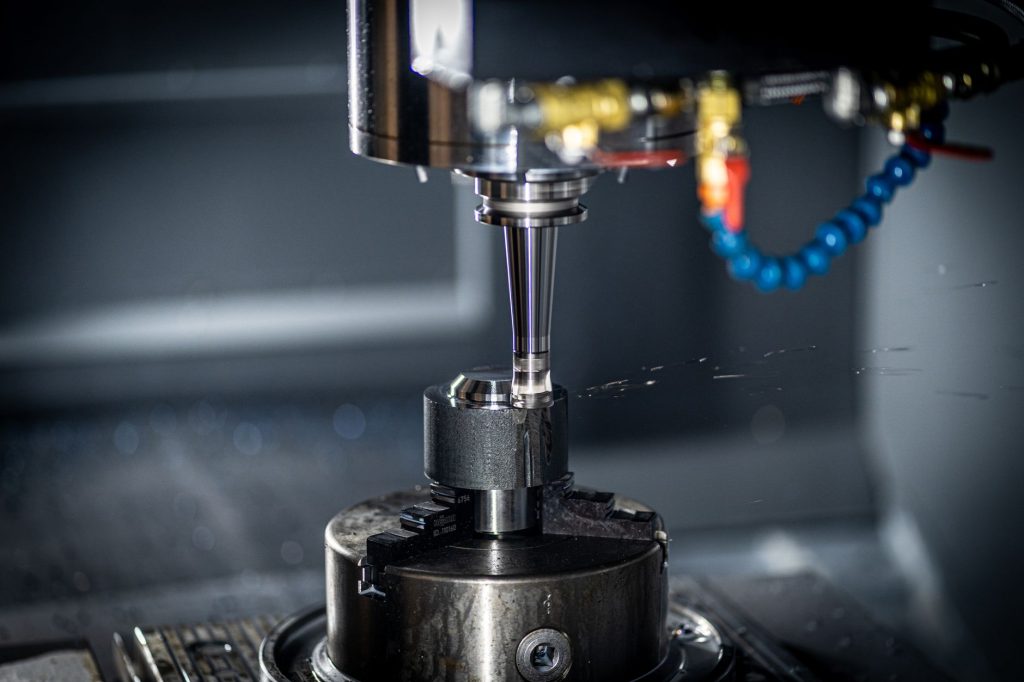
- A precision milling unit equipped with diamond burs that sculpts the crown from a solid block of medical-grade ceramic or zirconia.
Because the process is fully digital, physical molding errors are eliminated, creating restorations with exceptionally tight margins and natural contours.
Step-by-Step: How Broken Teeth Are Restored in One Visit
The clinical workflow for same-day dental crowns replaces weeks of waiting with a streamlined digital sequence:
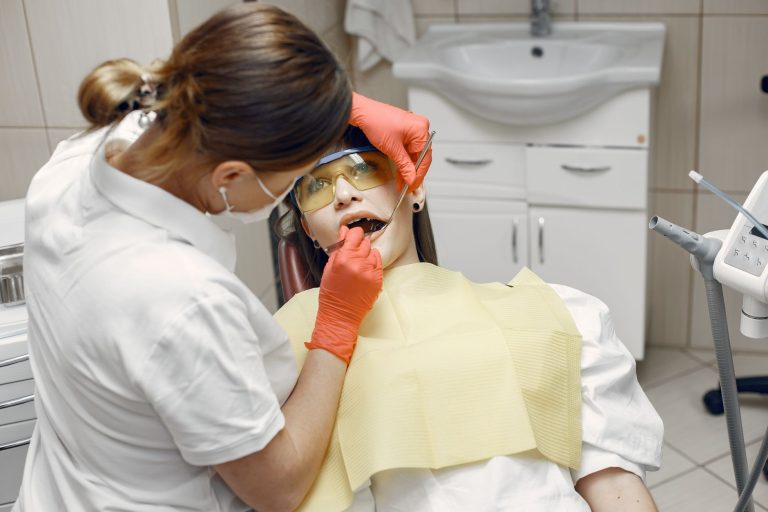
- Tooth Preparation: The dentist gently removes decay and damaged enamel, shaping the remaining tooth structure into a stable foundation.
- Digital Intraoral Scanning: Instead of gag-inducing impression trays, a compact wand glides smoothly across your teeth. This digital intraoral scanning produces a high-definition 3D model of your bite in less than two minutes.
- Virtual CAD Design: Using the scan, the dentist designs your restoration on-screen, customizing contours to mirror your natural bite.
- Precision Milling: The design data transfers to the milling unit, which sculpts the restoration from a dense ceramic block in 10 to 18 minutes.
- Firing and Glazing: The freshly milled crown enters a specialized furnace for rapid tempering, reaching peak strength while baking on natural color gradients and glaze.
- Permanent Bonding: The dentist verifies fit and bite alignment, then permanently bonds the ceramic to your tooth, leaving you ready to chew normally right away.
Traditional Crowns vs. Digital Milling: What Changes for You?
The difference between traditional multi-week crowns and chairside digital restorations extends far beyond convenience.
The biggest relief for patients is eliminating temporary crowns. Traditional temporaries are made of soft acrylic and fastened with weak glue so they can be removed later. They frequently dislodge during meals, crack under routine chewing, or leave the tooth exposed to sharp sensitivity. With digital milling, you bypass the temporary stage entirely.
Digital workflows also eliminate the distortion common with traditional alginate or silicone impressions. Physical molds can expand, shrink, or tear in transit. In contrast, digital optical files remain mathematically exact. This precision yields an airtight seal along the gumline, significantly lowering the risk of bacterial microleakage and secondary decay underneath the crown.
Additionally, digital restorations require only a single round of local anesthesia. You are numbed once, relax comfortably while the machine works, and avoid a second injection weeks later.
Strength and Aesthetics: Are Same-Day Milled Restorations as Durable?
Yes, same-day milled crowns are just as durable as traditional laboratory crowns, and often offer superior structural consistency.
Traditional porcelain crowns are built by hand-layering ceramic powders, which can occasionally trap microscopic air voids during firing. Digital restorations, however, are precision-carved from solid, industrially manufactured blocks of lithium disilicate or monolithic zirconia. Because these blocks are fabricated under strict factory conditions, they possess an exceptionally uniform crystalline structure free of internal defects.
When bonded with modern resin cements, single-visit ceramic restorations demonstrate clinical survival rates above 95% over ten years—matching traditional lab standards. Modern ceramics also mimic the natural optical depth, translucency, and light reflection of real enamel, ensuring your new tooth blends imperceptibly with neighboring teeth.
Emergency Tooth Repairs: When Immediate Restoration Matters
Dental fractures rarely follow a convenient schedule. Whether you chip a cusp on an outdoor excursion or split an old filling during dinner, leaving a damaged tooth untreated can quickly escalate into severe nerve pain or bacterial infection.
When deep fractures expose the underlying dentin, the inner nerve becomes vulnerable to temperature changes, biting pressure, and oral bacteria. Postponing care risks further structural collapse along the root.
In urgent situations, booking an appointment with an emergency dentist in Wasilla who utilizes chairside digital milling means your cracked tooth restoration can be resolved permanently on the spot. Instead of nursing a fragile temporary cap through weeks of cautious chewing, single-visit milling seals exposed dentin immediately, halts bacterial progression, and lets you get back to your routine without painful delays.
Common Misconceptions About Digital Dental Milling
Despite the growing adoption of CAD/CAM dentistry, a few persistent myths still cause hesitation:
- Myth: Milled crowns look like opaque, fake teeth. Early milling units from decades ago produced relatively flat, chalky teeth. Today's materials utilize multi-layered polychromatic blocks that duplicate the natural transition from a deeper cervical hue to a translucent biting edge.
- Myth: Single-visit technology is drastically more expensive. Because dentists eliminate third-party lab shipping and outsourcing fees, in-office milling generally costs the same as traditional crown treatment. Dental insurance typically covers same-day crowns under standard restorative codes.
- Myth: Every broken tooth can be treated with digital milling. While digital milling handles most restorations, teeth fractured deep below the bone line or suffering extensive root damage may still require specialized endodontic therapy, surgical crown lengthening, or extraction.
Protecting Your New Restoration for the Long Haul
While dental ceramics do not decay, the natural tooth margin underneath remains vulnerable to plaque buildup and bite trauma.
- Wear a nightguard if you clench: Grinding exerts heavy force that can fatigue even high-strength ceramics over time. A custom guard cushions this stress.
- Floss the margins daily: Cleaning along the gumline where ceramic meets natural enamel keeps the underlying margins free of harmful bacterial biofilm.
- Avoid non-food chewing: Cracking ice, biting packaging, or opening bottle caps creates localized shear stress that can fracture dental ceramics.
A Smarter, Faster Way to Rebuild Your Smile
Digital milling represents a fundamental shift in restorative dentistry, bridging advanced material science with the realities of modern schedules. By eliminating messy impressions, unpredictable temporary crowns, and multiple rounds of anesthesia, chairside CAD/CAM technology removes the anxiety and delays that historically accompanied a broken tooth. Speed does not require sacrificing quality; with computerized precision, patients gain a permanent, lifelike restoration that protects their oral health for years to come.